Tube Stand for Enamel Rater
IS9017
Checks the coating porosity of aluminum collapsible tubes to avoid corrosion
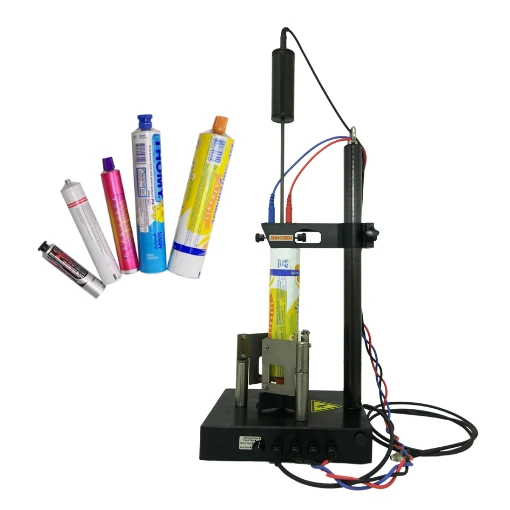
The IS9017 tube stand is an enamel rating station built specifically for aluminum collapsible tubes. Three contact blocks grip the tube by its shoulder and center it automatically between the adjustable pillars, so tubes from 10 mm up to 57 mm in diameter and up to 320 mm tall all sit square on the stand without a fixture change.
Titanium probes carry the test current, so the parts that sit in the electrolyte every day do not corrode and contact resistance stays stable. A tube contact check confirms that all three blocks are touching the tube before a reading is taken, a height-adjustable level probe confirms the electrolyte is at the set level, and a built-in test knob switches calibration verification resistors into the circuit to give known 3, 10 and 19 mA readings, so an operator can prove the measuring chain at the bench in seconds.
Separate knobs set the arm height, the main probe height and the level probe height, so the geometry is matched to a tube format once and then left alone. Contact voltage sensing adjusts the test voltage automatically during the test, and measurement starts on its own as soon as the level probe reaches the electrolyte, so the gauge never needs resetting between tubes. A Teflon splash guard keeps electrolyte from bridging across the probes and the base wipes clean after a spill.
The stand connects directly to the IS810 EnamelPro™ enamel rating gauge, which applies and adjusts the test voltage, localizes defects with reverse polarity and logs every result to Innolytix® QA software. The IS9029 Light Probe can be added to light the inside of the tube so faults are easy to locate during the test.
We did not follow the standard. We set it.
The probe came first. Innosen has been building enamel rating and coating thickness probes for metal packaging for decades — the standard the industry now calls by name was our doing. Probes we designed reach the market under other brand names.
So when you buy the Tube Stand for Enamel Rater IS9017, you are buying the current generation from the people who designed it, hold the drawings, machine the parts and stock the spare parts. Engineering answers, calibration guidance, spare probes and lead times come from the source rather than from a label.
Tube stand features
| Features |
|---|
| Purpose-Built for Collapsible Tubes – the pillars, contact blocks and probes are designed around aluminum collapsible tubes rather than adapted from a can fixture |
| Automatic Tube Centering – three contact blocks grip the tube by the shoulder and center it between the adjustable pillars, so every tube sits in the same place |
| Wide Tube Range – one stand covers tubes from 10 mm to 57 mm in diameter and up to 320 mm in height |
| Titanium Probes – the contacts that sit in the electrolyte every day are titanium, not plated steel, so they do not rust or drift |
| Tube Contact Check – confirms the tube is correctly contacted before a reading is taken, because bad contacts are the main cause of unreliable enamel ratings |
| Built-In Calibration Verification – a test knob switches fixed resistors into the circuit for known 3, 10 and 19 mA readings, so calibration and linearity can be confirmed as part of the standard operating procedure |
| Height-Adjustable Level Probe – a dedicated knob sets the electrolyte level, so every tube is tested against the same volume |
| Automatic Contact Voltage Sensing – test voltage is adjusted automatically during the test, removing an operator setting from the procedure |
| Hands-Free Operation – measurement starts as soon as the level probe reaches the electrolyte, so there is no reset between tubes |
| Teflon Splash Guard – reduces the risk of electrolyte reaching across the probes |
| Alligator Clip Contact Cables – two supplied banana-plug cables contact awkward tube and cap designs directly when the contact blocks cannot reach a conductive edge |
| Corrosion-Resistant Throughout – plastic, stainless steel and titanium construction with durable, water-resistant rubber cables for a harsh enamel rating environment |
Benefits of the IS9017 tube stand
| Benefits |
|---|
| Catch corrosion before your customer does – a porous internal lacquer lets the filling attack the aluminum; enamel rating finds it at the bench instead of in the market |
| Prevent customer complaints – tubes that would fail in service are identified before they are filled and shipped |
| Attain the tube's maximum lifespan – an intact internal coating is what keeps a filled tube stable for its full shelf life |
| Effortless, repeatable contact – automatic centering and the contact check remove the two most common sources of operator error |
| Verification built into the SOP – the test knob lets calibration and linearity be confirmed at every shift change, not just at annual calibration |
| Longer service life – nothing in the wetted path corrodes, so the stand keeps its accuracy year after year |
| Audit-ready data – paired with the IS810 EnamelPro™ and Innolytix®, every reading is captured, timestamped and reportable |
Tube formats, handling and integration
| Tube formats, handling and integration |
|---|
| Tube range – aluminum collapsible tubes from 10 mm to 57 mm in diameter and up to 320 mm in height |
| Loading – raise the arm, pull one contact plate to separate the blocks, seat the tube so its shoulder is gripped by all three blocks, then push it down and lower the arm over it |
| Difficult tube and cap shapes – where the blocks cannot reach a conductive edge, the two supplied banana-plug cables and alligator clips make contact directly; caps wider than the tube should be removed before testing |
| Height adjustment – separate knobs set the arm height, the main probe height and the level probe height; the probe tip must not touch the closed end of the tube |
| Electrolyte – the tube is filled by syringe or dropper to the height set on the level probe; the base takes an optional M12 drain tube, and the IS9024 Electrolyte Management System can fill and empty semi-automatically |
| Level check limits – level checking needs a tube opening of at least 15 mm; for narrower tubes the level check interlock is switched off at the gauge |
| Integration – the stand connects to the IS810 EnamelPro™ gauge, which applies the test voltage, localizes defects and streams results to Innolytix® |
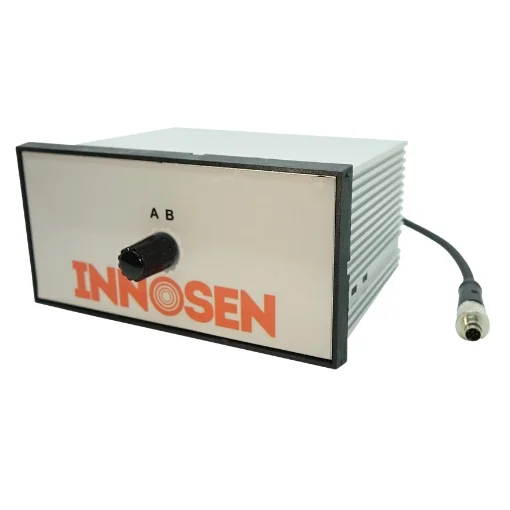
| Sharing one gauge – with the IS228B switchbox a tube stand and a can stand can share the same electronics unit, selected with a knob instead of unplugging |
Compatible Systems
| System | Role |
|---|---|
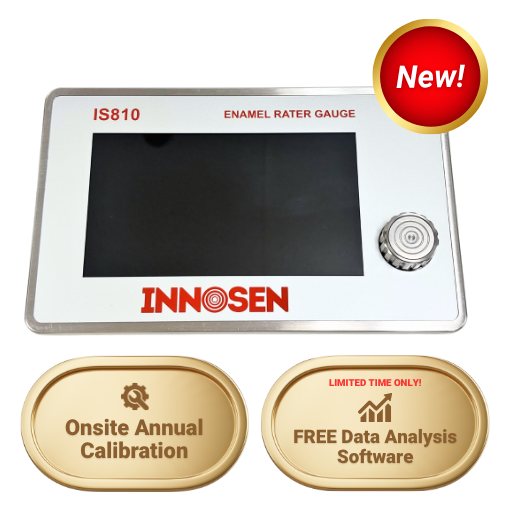
| IS810 EnamelPro™ | The semi-automatic enamel rating gauge the IS9017 connects to. It applies the test voltage, localizes defects with reverse polarity and logs every reading. |
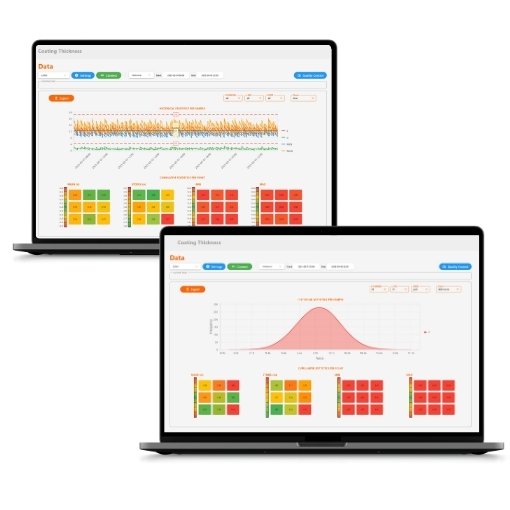
| IS1100 Innolytix® QA Software | Captures gauge output over RS232 and RS485 and visualizes enamel rating data in dashboards, line graphs and heat maps. |
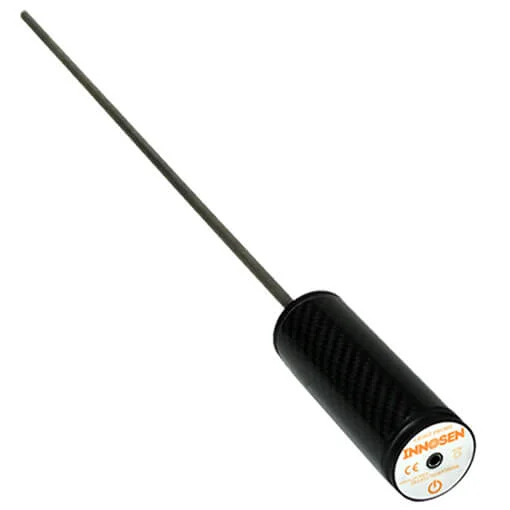
| IS9029 Light Probe | Optional. Lights the inside of the tube so coating faults are easy to see and locate during enamel rating. |
| IS9024 Electrolyte Management System | Optional. Semi-automatically fills and empties the vessel under test, with three-speed filling, a remote control unit and programmable timing. |
| IS228B Enamel Rater Switchbox | Optional. Connects two different enamel rater probes to one electronics unit — for example this tube stand and a can stand — and selects between them with a knob instead of unplugging. |
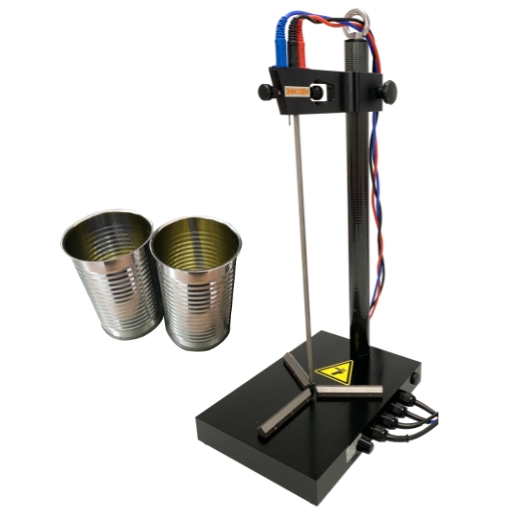
| IS9015 Can Stand | Variant. Adds 2-piece, 3-piece and aerosol cans to the same bench when you need to test more than tubes. |
Tube stand spare parts
| Spare Part | Description |
|---|---|
| Contact block assembly (215-45160-10) | The blocks that grip and center the tube and carry the test current. Supplied singly and replaceable without returning the stand. |
| Titanium probe set | The main probe and level probe contacts that sit in the electrolyte. |
| Contact cable set | The two banana-plug cables with alligator clips used to contact awkward tube and cap designs. |
| Tube stopper | The stopper that locates the tube at the center of the base. |
| Teflon splash guard | The guard that reduces the risk of electrolyte reaching across the probes. |
| Test solution (electrolyte) | Consumable. Ask for the correct formulation and volume for your tube range. |
Part numbers depend on your tube range and build. Ask for a quote and we will confirm the correct spares for your IS9017.
Tube stand specifications
| Specifications | Value |
|---|---|
| Application | Enamel rating (coating porosity) of aluminum collapsible tubes |
| Gauge | Used with Innosen's IS810 EnamelPro™ Enamel Rating Gauge |
| Maximum tube height | 320 mm (12.60 in) |
| Maximum tube diameter | 57 mm (2.24 in) |
| Minimum tube diameter | 10 mm (0.39 in) |
| Minimum diameter for level check | 15 mm (0.59 in). The level check interlock can be switched off at the gauge for narrower tubes |
| Quality measurement | Test knob with built-in verification resistors giving fixed 3, 10 and 19 mA readings to confirm calibration and linearity |
| Level probe | Height-adjustable. Ensures the correct level of test solution |
| Tube contact check | Confirms correct contact of the tube before measurement |
| Contact voltage sensing | Voltage is adjusted automatically during the test |
| Tube centering | Three adjustable contact blocks center the tube automatically |
| Probe material | Titanium |
| Drain connection | M12 thread for an optional drain tube (not supplied) |
| Dimensions of the tube stand | 24.2 cm (w) x 50.5 cm (h) x 17.6 cm (l) |
| Standard Compliance | RoHS, WEEE, CE |
Media
Accessories

Frequently Asked Questions
What does the IS9017 tube stand do?
The IS9017 holds an aluminum collapsible tube upright and filled with electrolyte while an enamel rater measures the porosity of its internal lacquer. Three contact blocks grip the tube by the shoulder and center it, the tube is filled to the height set on the level probe, and the main probe is lowered inside. The gauge then applies a test voltage, and the current that flows is the enamel rating: an intact coating insulates almost completely, whereas pores, cracks and scratches expose bare aluminum and let current through.
Which tubes does the IS9017 fit?
It covers aluminum collapsible tubes from 10 mm up to 57 mm in diameter and up to 320 mm in height. The pillars, contact blocks and probe heights are all adjustable, so moving between tube formats is a setting rather than a fixture change. Caps that are wider than the tube body should be removed before testing, because they stop the contact blocks from reaching the tube shoulder.
How does the IS9017 make contact with a collapsible tube?
Raise the arm and pull one of the contact plates to separate the blocks. Position the tube at the top of the blocks so its shoulder is gripped, then push it down while the shoulder stays held, making sure all three blocks are touching the tube. The blocks center the tube automatically so the main probe enters without touching the closed end. A tube contact check confirms the connection before the gauge takes a reading. After the test, return the blocks gently to their rest position, as a sudden release can damage the blades.
What if the contact blocks cannot reach a conductive edge?
Some tube and cap designs leave no conductive surface for the blocks to grip. Two cables are supplied for this case. Fit the banana plugs into the two shafts nearest the column and clip the alligator clips onto the conductive edge of the tube, checking that the teeth touch bare metal rather than lacquer. The test then runs normally.
How do I know an IS9017 reading can be trusted?
Three checks are built in. The test knob switches fixed verification resistors into the circuit to give known 3, 10 and 19 mA readings, confirming calibration and linearity in seconds, which is why many customers make it part of the standard operating procedure at every shift change. The tube contact check confirms the tube is properly contacted, and the level probe confirms the electrolyte is at the set height. Contact voltage sensing then adjusts the test voltage automatically during the test. Return the knob to the measurement position, with its line vertical, before testing.
Why is there a minimum tube diameter for the level check?
The level probes sit close together and both need to reach the electrolyte, which requires a tube opening of at least 15 mm. Narrower tubes can still be enamel rated: the level check interlock is switched off in the gauge supervisor setup, or the level check and main probes are shorted together. The stand itself measures tubes down to 10 mm in diameter.
Which enamel rating gauge does the IS9017 work with?
The IS9017 connects to Innosen’s IS810 EnamelPro™ Enamel Rating Gauge, which applies and adjusts the test voltage, localizes defects using reverse polarity and logs every reading. With an IS228B switchbox a tube stand and a can stand can share one electronics unit, selected with a knob instead of unplugging. Results stream to IS1100 Innolytix® QA software for dashboards, line graphs and traceable quality records.
Can the inside of the tube be inspected during the test?
Yes. The IS9029 Light Probe lights the inside of the tube so coating faults are easy to see and place while enamel rating. It is a common addition on a tube stand, because a collapsible tube is narrow and dark and pinholes are otherwise hard to locate. Reverse-polarity defect localization on the IS810 EnamelPro™ narrows down where the fault is before you look.
Complete Enamel Rating Line
Seamless integration with the IS810 EnamelPro™ ecosystem
IS810 EnamelPro™ Enamel Rating Gauge
The semi-automatic enamel rating gauge at the heart of the line. Reverse-polarity defect localization and live logging to Innolytix®.
IS9015 Can Stand
IS9015-CRW Crown Cork Adapter
IS9015XXL Large Can Stand
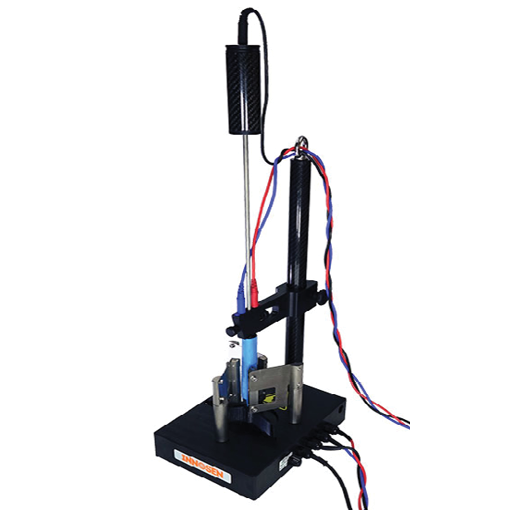
IS9017 Tube Stand
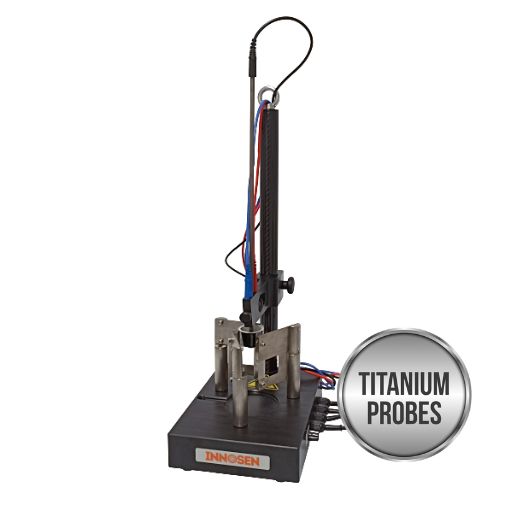
IS9018 Aluminum Capsule Stand
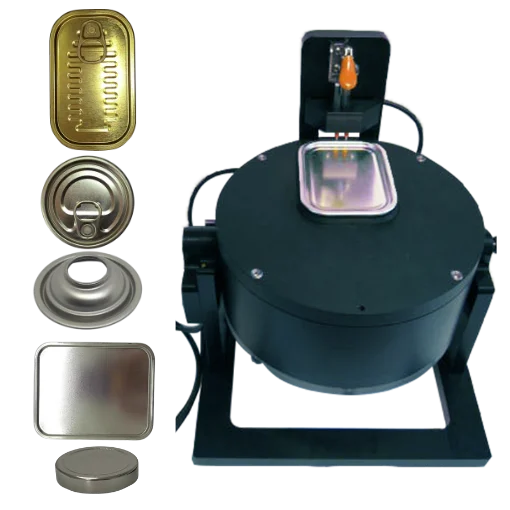
IS9020TMR End Adapter
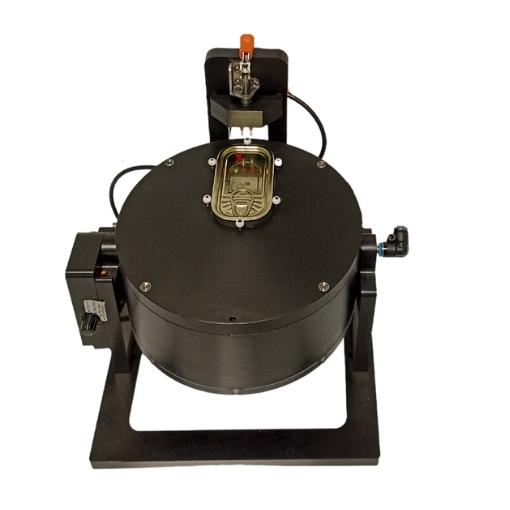
IS9025 EOE Rivet Adapter
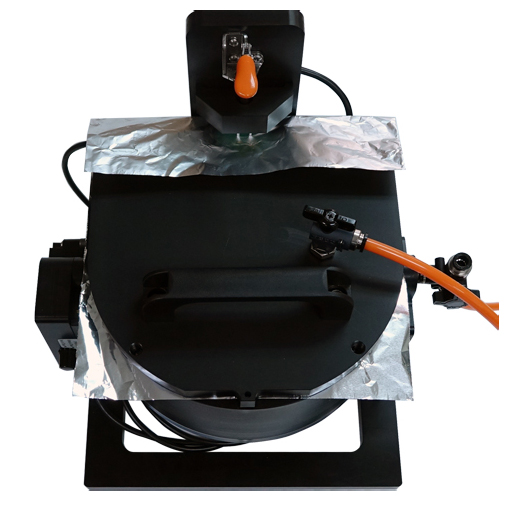
IS9030 Foil Adapter
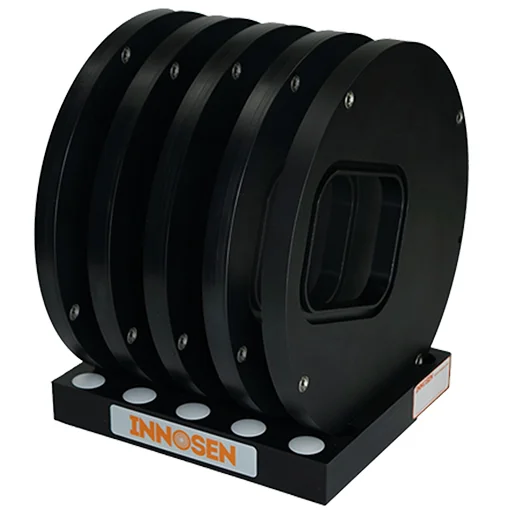
IS9031 Top Plate Rack
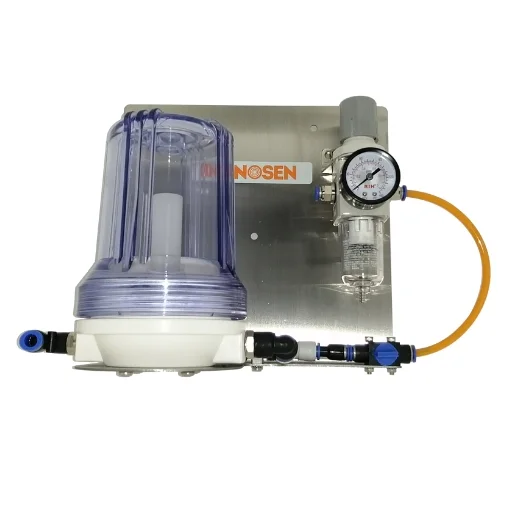
IS9021 Vacuum Generator
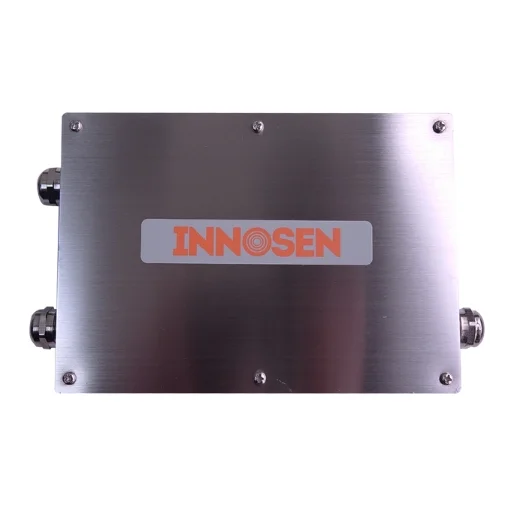
IS9023 Automatic Vacuum Control Unit
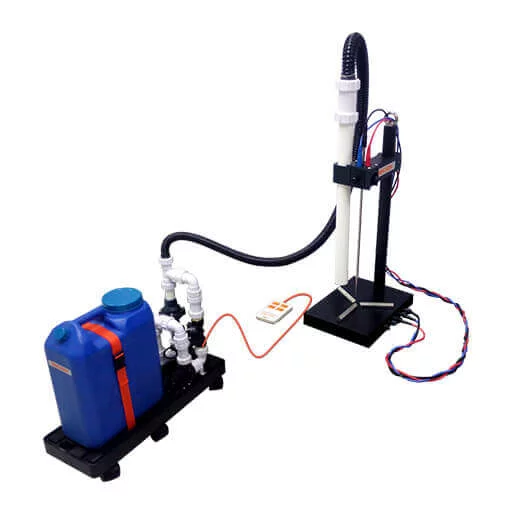
IS9024 Electrolyte Management System
IS9029 Light Probe