Raising coating line speed is one of the fastest ways to add output and profit. This step-by-step process shows how to use IS416 sheet skew statistics to increase speed safely, batch by batch.
Browse Innosen’s curated articles and newsletters, designed to help you find the right canmaking solutions with ease.

Raising coating line speed is one of the fastest ways to add output and profit. This step-by-step process shows how to use IS416 sheet skew statistics to increase speed safely, batch by batch.
Aluminum is light and highly formable, so it dominates beverage cans, aerosols and tubes. Tinplate is tin-coated steel: stiffer and stronger, and the standard for food, paint and chemical cans. Compare weight, corrosion, recycling, cost and uses, and why both depend on the internal coating.

In every 2,000 sheets, one will skew, drift sideways or reach the coater early or late. Meet the three misbehaving sheets behind spoilage, weld wire breaks and leaking cans — and the IS416, IS430 and IS450 systems that catch them.
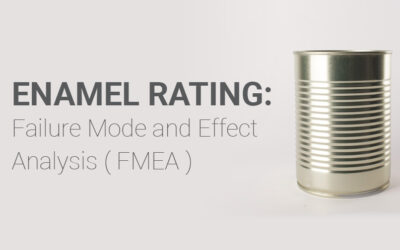
Enamel rating tests the integrity of the lacquer layer inside a can. We break down seven failure modes, from poor substrate contact and probe corrosion to fill level and operator influence, that make readings look better than they are, and how the IS9015 Can Stand for Enamel Rater prevents them.
Critical, major or minor: not every can defect carries the same risk. Learn how to spot fractures, missing seals, corrosion and dents, what causes them in the seaming, lacquering and handling stages, and how canmakers can prevent them before defective cans reach fillers.
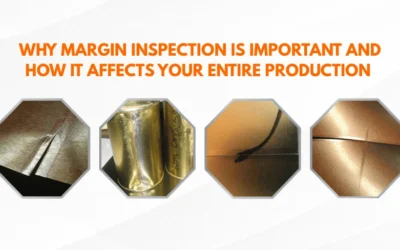
Contaminated or lacquered sheet margins break weld wire, burn weld rolls and cause leaking cans. Learn the three most common margin defects, what causes them, and how the IS610 Plain Margin Inspector catches them before the welder.
With our sensors in your production, you can relax and be confident that the job will always be well-done!

Get 99.9% protection against damage to machinery and delays using Innosen’s double sheet / end detectors (sensors).
Producing quality end products is a can manufacturer’s number one goal.
Evert van de Weg speaks with Innosen’s Luc Nelen about his involvement in the birth of automated quality control in can making.